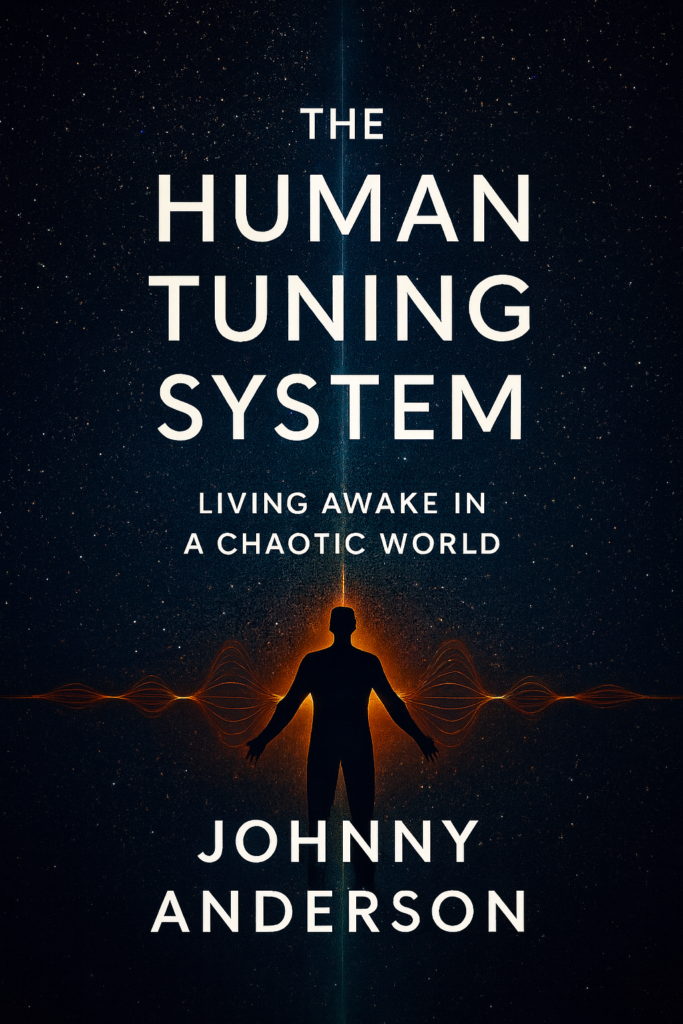
The Human Tuning System:
Sound, Frequency and Regulation —
Understanding How We Respond, Not How We Perform
F-L-R
Cymatics, Frequency & Sound Therapy
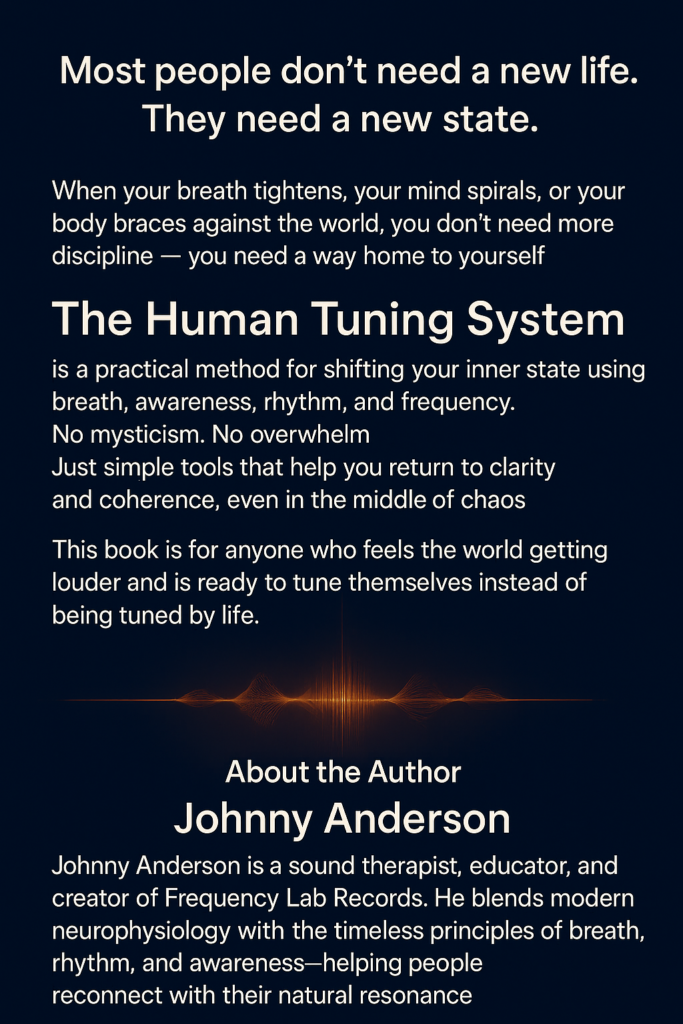
The Human Tuning System (HTS) is a framework developed by Frequency Lab Records to explore how sound, frequency and vibration interact with the human nervous system.
Rather than focusing on performance or musical ability, HTS is concerned with how we respond — emotionally, physically and neurologically — to sound.
At its core, the Human Tuning System recognises that humans are biological systems constantly responding to rhythm, tone, texture and vibration. Sound is not just something we hear; it is something we feel, regulate with, and organise ourselves around.
What Is Cymatics?
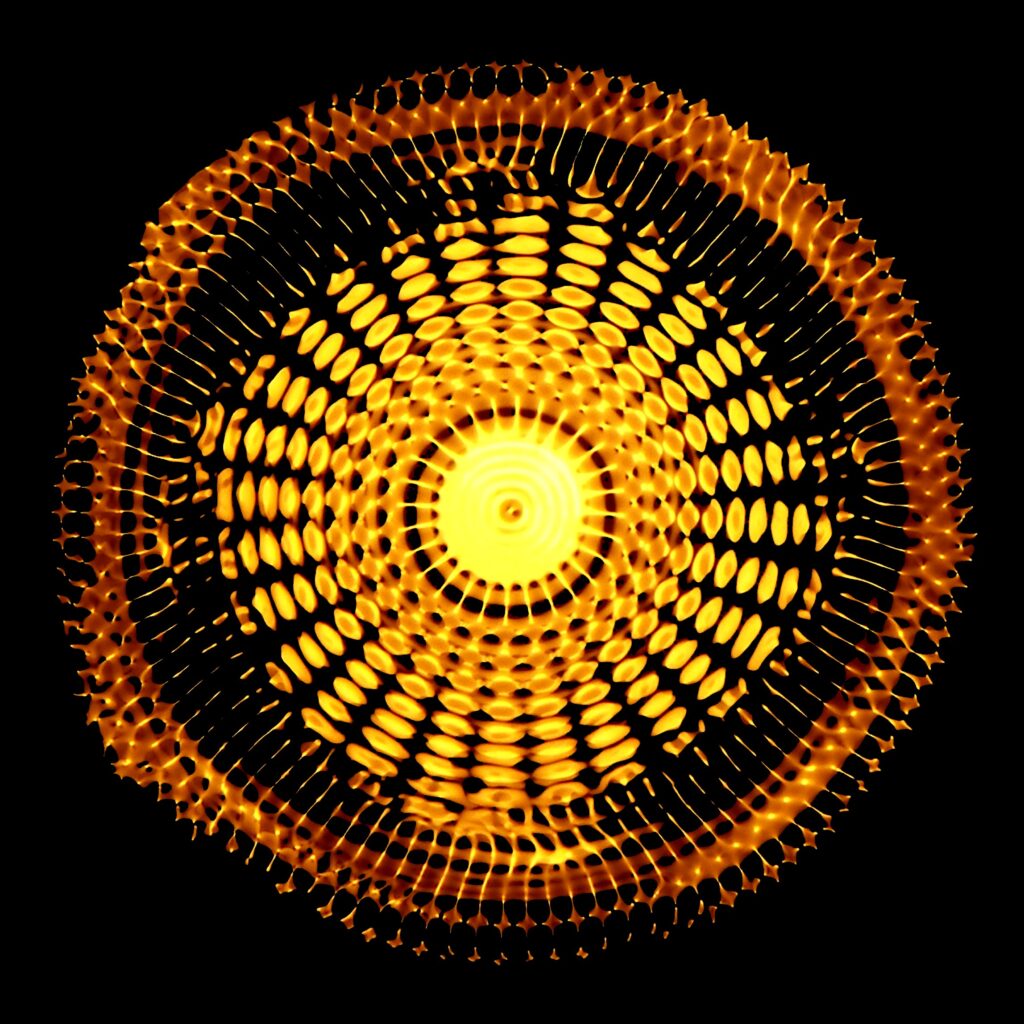
Cymatics is the study of visible sound and vibration — a field of physics that shows how sound waves can generate structured patterns in physical media such as water, sand and air.
When a sound wave travels through a medium, it induces vibration. These vibrations cause the medium to resonate at specific frequencies, forming distinct geometric patterns. The shape of these patterns depends on factors such as frequency, amplitude and the properties of the material involved.
Cymatics provides a visual language for understanding how sound organises matter — offering a powerful metaphor for how sound can also influence the human body and nervous system.
Sound, Frequency & Regulation
HTS sessions explore sound as a regulatory tool, not a performance-based practice.
Sound and frequency are used to:
support nervous system calming
encourage grounding and focus
aid emotional processing and release
create safe, predictable sensory environments
This work is non-clinical and accessible, designed to support regulation rather than stimulation.
Digital Sound & Frequency Work
Alongside acoustic and live elements, Frequency Lab Records creates bespoke soundscapes using digital synthesis, sequencing and sound design techniques.
These soundscapes are carefully constructed to explore specific frequencies, tonal ranges and rhythmic patterns depending on the needs of the session. Digital synthesis allows precise control over pitch, texture and movement, enabling sound environments to be shaped intentionally rather than reactively.
Sequencers and evolving layers are used to create slow, immersive sound environments that support regulation without overstimulation — allowing participants to engage through listening and sensation rather than performance.
How HTS Is Used
The Human Tuning System underpins much of F-L-R’s therapeutic and community work, including:
therapeutic sound sessions
regression sessions
youth and adult workshops
sound baths and immersive listening experiences
HTS can be delivered in group or one-to-one settings and adapted for a wide range of needs, abilities and environments.
A Grounded, Human-Centred Approach
HTS is not about fixing people or forcing outcomes.
It is about creating conditions where individuals can:
down-regulate safely
reconnect with their internal state
explore sound without pressure or expectation
All sessions are facilitated with care, sensitivity and respect for personal boundaries, allowing participants to engage at their own pace.
The Human Tuning System offers a way to listen differently — not just to sound, but to ourselves.